Direct Roman Ancestors
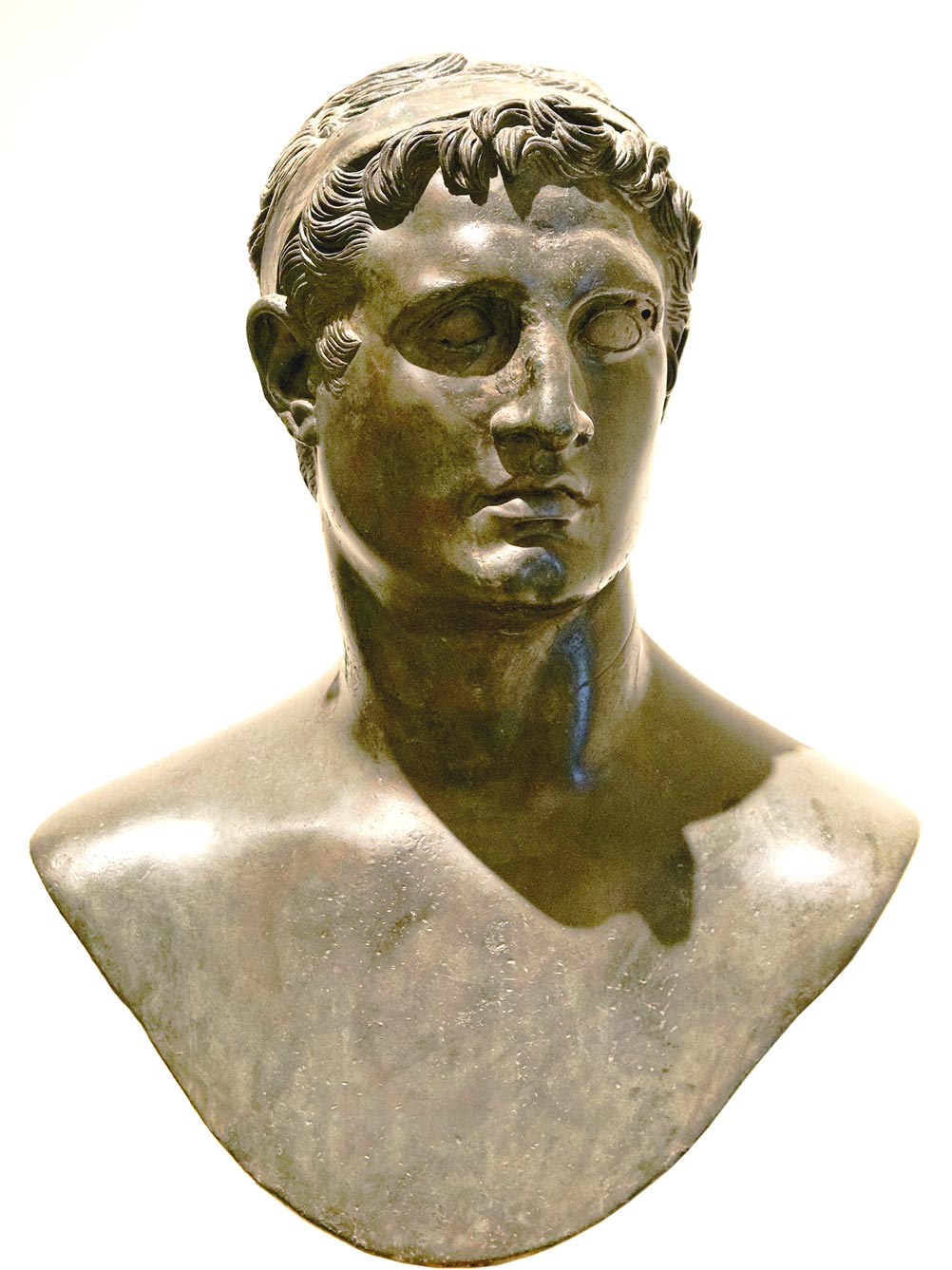
The “St. Tammany Miracle”
Ancestor Ptolemy II Philadelphus is the namesake of the title “Philadelphus:” Brotherly Love. This name was chosen by ancestor Saint Tammany & William Penn for the city of Philadelphia: the feminine version of his name, in 1682. I share a birthday with William Penn. The blood of the Roman founders entered the line centuries after Philadelphia was founded. The “Holy Experiment” of that peaceful founding lives on.
These early names come from Rome’s “Sacred History,” not literal documented recordings
The Romans didn’t invent these names randomly.
They inherited them from:
oral tradition
tribal memory
religious ritual
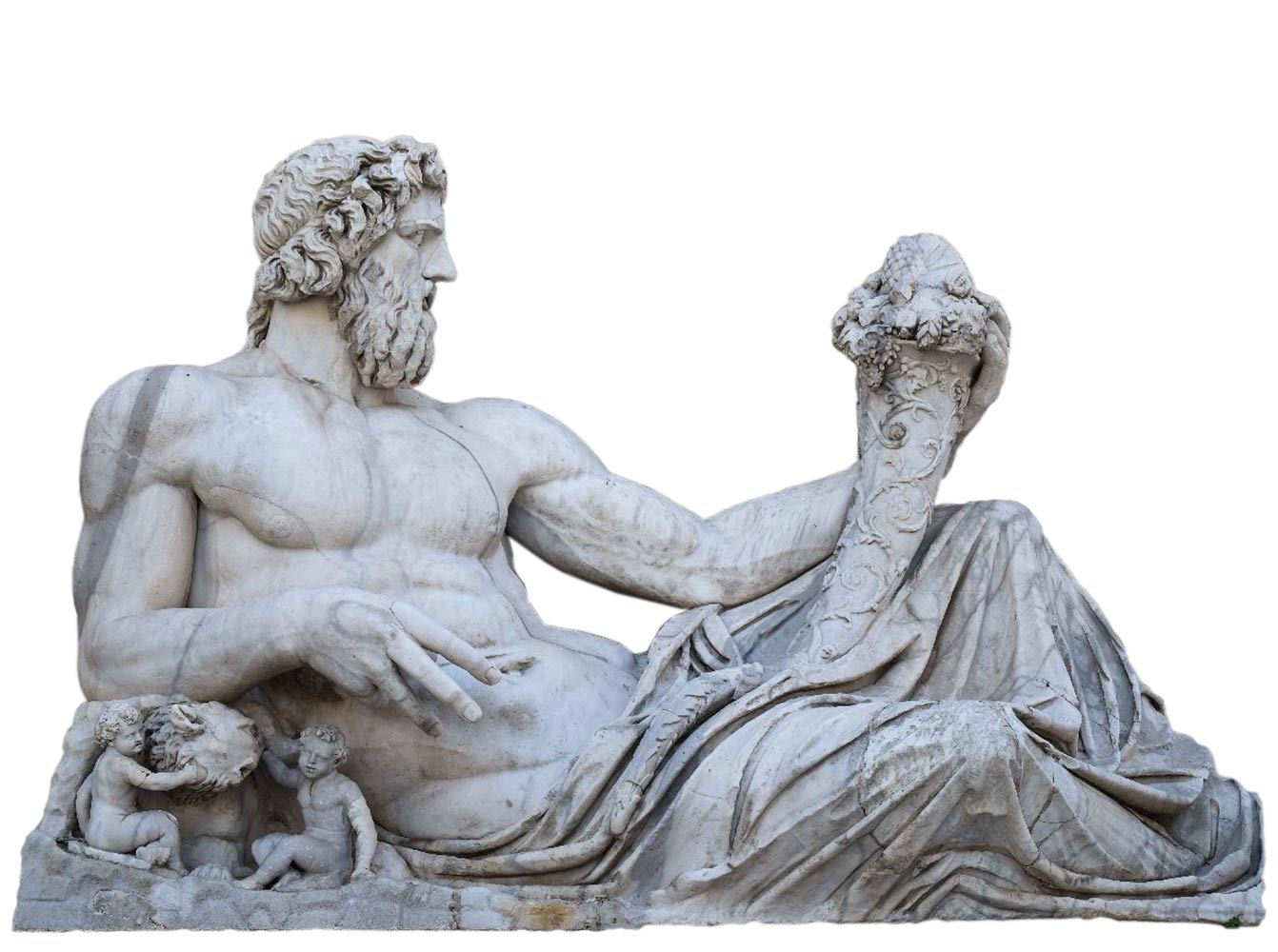
- c. 753 BE, Founder & First King of Rome, Romulus. Romulus was as real to the Romans as George Washington is real to modern Americans
c. 750–700 BE, King of the Sabines, Titus Tatius, Sabine TerritoryRome was not one tribe. A fusion of: Latin, Sabine, & Etruscans.Titus Tatius symbolized that merger.
c. 715 BE, King of Rome, Numa Pompilius, Sabine/Rome The Romans held Numa the father of Roman religion
c. 7th century BE, Sabine Noblewoman, Hersilia, Sabine/Rome wife of Romulus, bridging 2 nations.- c. 7th century BE, Vestal Princess, Rhea Silvia, Alba Longa **Thier Sacred Virgin Mother. linking the idea of purity with virginity. To me, natural birth itself is sacred & pure. A Virgin birth is stripping away half, the Male. I see the Divine as whole beyond gender.
- Saint/King Numa Pompilius: (r. 715–673 BE). Second King of Rome. Modern historians struggle with Numa due to his era. To the Roman Senate and the later Anician nobility in the line, the descent from Numa was a legal fact that granted them their role. Ancestors “Aemilius I through IV” had to prove this ancesty to get their chair.
Archaic Roman period, where history begins to emerge from legend.
The Roman Scepter:
The Archaic “Iron” Roots: The Founders c. 500 BE – 300 BE
The ancient Sabine and Claudian patriarchs who wrote the first Roman laws.
- Appius Claudius Caecus “the Blind”: The Legal & Civic Innovator. He built the Appian Way and the first Roman aqueduct; he is the “Father of Roman Law” and the first recorded Roman author.
- Appius Claudius Sabinus Regillensis: . The First Claudian. The Sabine chieftain who migrated to Rome with his entire tribe, founding the Claudian Dynasty.
- Appius Claudius Crassus Sabinus: 451 BE. The Law Giver.Leader of the Decemviri who drafted the Twelve Tables, the foundation of all Western Law.
- Lucius Aemilius Mamercus: . The first of the Aemilii to hold the consulship, establishing the “Chain of Sovereignty” for the family.
- Marcus Clausus de Regille: The legendary Sabine root from whom the entire Roman Claudian scepter descends.
This is where it steps into sure historical fact
The Republic & The Transition (c. 300 BC – 27 BE)
The era of the “King Makers” and the founding mothers of the dynasties.
- Lucius Caecilius Metellus Denter: Consul; early commander against the Gauls.
- Gaius Licinius Varus: Consul.
- Cornelius Lentulus Cethegus: Consul (.
- Aemilia Paulla: Noblewoman of the Aemilii; wife of Scipio Africanus.
- Publius Mucius Scaevola Major & Minor: Patriarchs of the supreme legal dynasty.
- Gaius Laelius Sapiens: Consul . “The Wise” philosopher-statesman.
- Publius Licinius Crassus Dives Mucianus: Consul & Pontifex Maximus.
- Lucius Licinius Crassus “The Orator”: Consul; supreme legal authority.
- Quintus Mucius Scaevola Pontifex: Consul; codified Roman law.
- Marcus Terentius Varro Lucullus: Consul.
- Gnaeus Pompeius Strabo: Consul; father of Pompey the Great.
- Lucius Cornelius Cinna Major & Minor: Four-time Consul; Caesar’s father-in-law.
- Manlius Acilius Glabrio I: Patriarch of the 500-year Glabrio dynasty.
- Marcus Licinius Crassus: First Triumvirate; the wealthiest man in Rome.
- Gnaeus Pompeius Magnus “Pompey the Great:” First Triumvirate; Conqueror of the East.
- Gaius Julius Caesar IV: Father of the Dictator.
- Cornelia Cinna Minor: First wife of Julius Caesar.
- Mucia Tertia Scaevolae: Wife of Pompey; link to the Scaevola legal line.
- Paulus Aemilius Lepidus: The “Closest thing to an Emperor” during the transition.
- Lucius Munatius Plancus: Consul; founder of Lyon and Basel.
- Scribonia Libo: Second wife of Augustus; mother of Julia the Elder.
- Gaius Sentius: Consul during the transition to Empire.
- Lucius Aemilius Lepidus Paullus: High noble of the Aemilii.
- Appius & Gaius Claudius Pulcher: Leaders of the powerful Claudian clan.
- Publius Clodius Pulcher: Political Firebrand. The most notorious populist leader of the late Republic; brother of Appius.
- Appius Claudius Pulcher: Consul High Priest and Scholar. Head of the Claudian clan and a supreme authority on Roman religious law.
- Quintus Mucius Scaevola “Pontifex”: Legal Innovator. The man who literally wrote the book on Roman Civil Law, setting the standard for the next 1,000 years.
- Publius Cornelius Scipio “Africanus”: Military Innovator. The general who defeated Hannibal; his victory established Rome as a world superpower.
- Cornelia Africana Minor: The Mother of the Gracchi. One of the most educated and respected women in Roman history; she refused a crown from a Pharaoh to focus on her sons’ Roman education.
The Julian-Claudian & Flavian Core (27 BE to 96 AD)
The first 5 Emperors/Empresses and the “Holy Hinge” to the Saints.
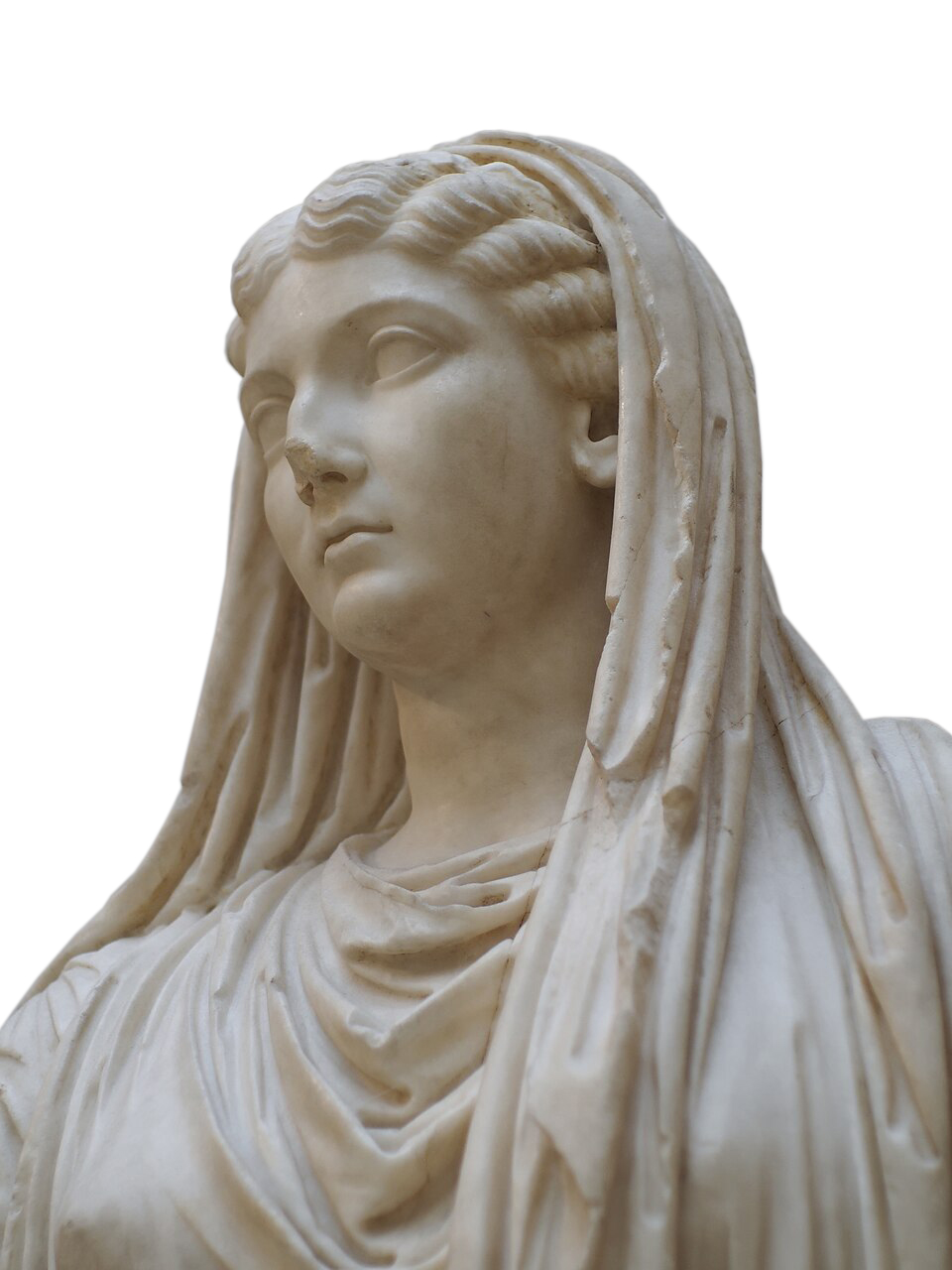
- ⚡👑 Empress Livia: Co Founder & Matriarch of Roman Empire. The most powerful woman in Roman history; Wife & advisor to Augustus, and mother of the Claudian Emperors. Her Sons Tiberius and Drusus are ancestors.
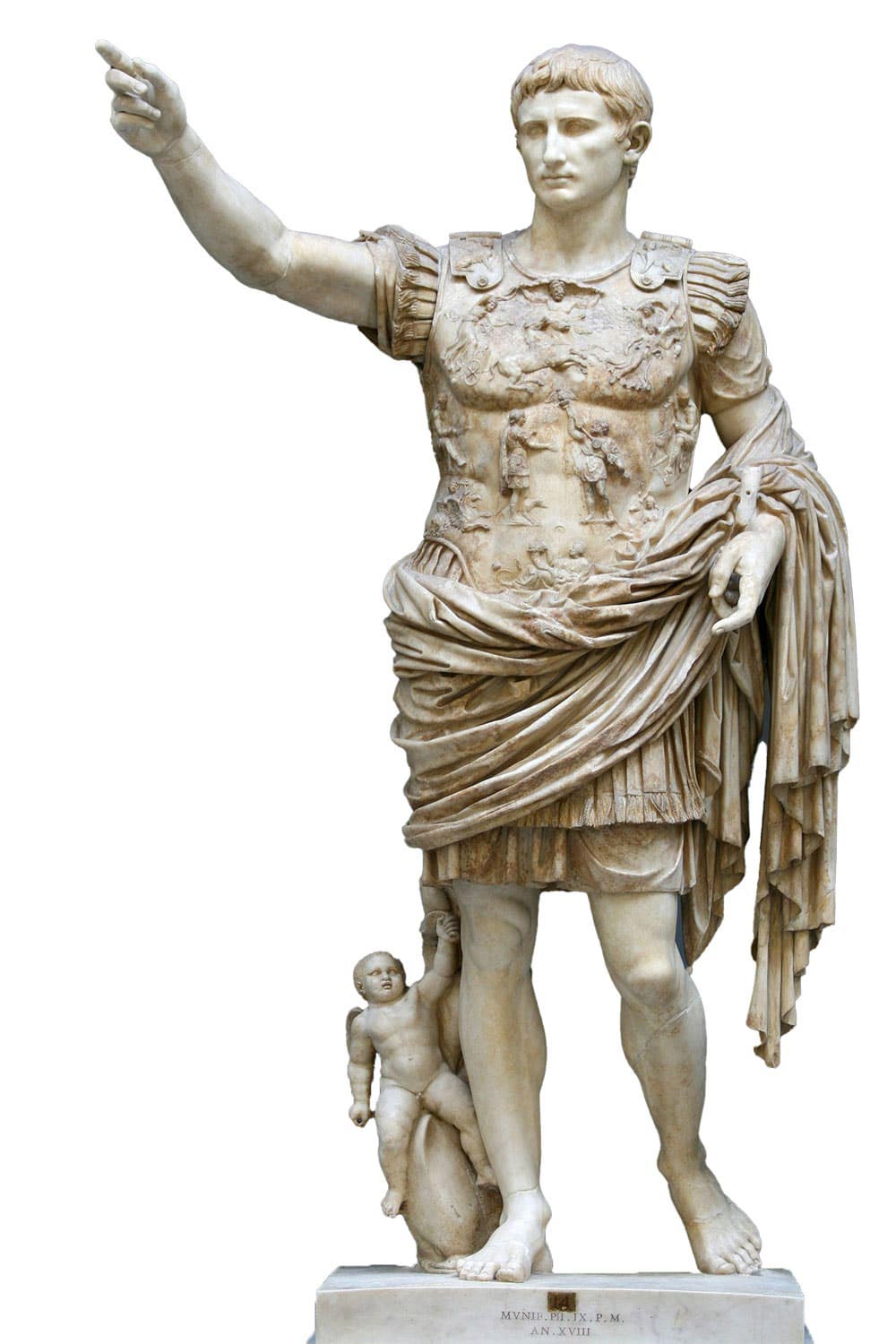
- ⚡👑 Emperor Augustus *In Marriage with Livia: (r. 27 BE to 14 AD). Co Founder of the Roman Empire; “Divi Filius.”

- Nero Claudius Drusus Germanicus: (Drusus the Elder). The Son of Empress Livia and father of Emperor Claudius
- Alfidia Alfidia Lurco: Mother of Livia; grandmother of Tiberius.
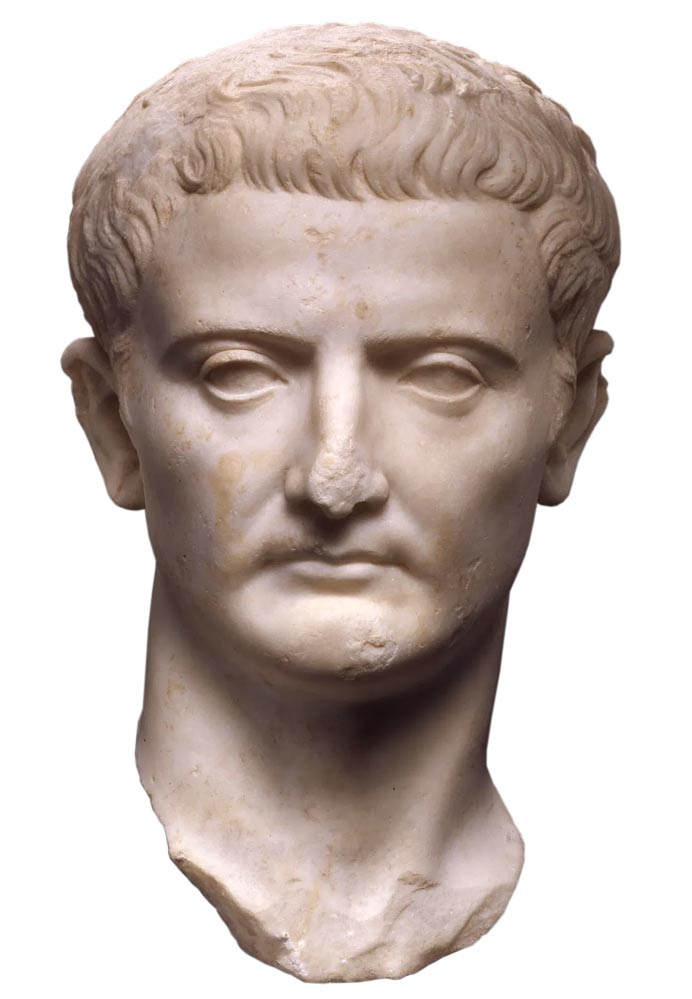
- 👑 Emperor Tiberius: (r. 14 to 37 AD). Second Roman Emperor. * from his Great Granddaughter Rubellia Bassa & Granddaughter Julia Livia & Son Drusus The Younger
- Tiberius Claudius Nero I & II: Paternal ancestors of the Claudians.
- Marcus Vipsanius Agrippa: Architect of the Empire’s victory. * from his Daughter Vipsania Agrippina
- Vipsania Agrippina: First wife of Tiberius.
- Lucius Caesar: Grandson and intended heir of Augustus.
- Servius Cornelius Lentulus Maluginensis: Flamen Dialis (High Priest of Jupiter).
- Vespasia Polla: Mother of Vespasian.
- Vaspasius I Thuedion Pollio ‘Polla’: 🔗 The “Yeshu” bridge to the Desposyni.
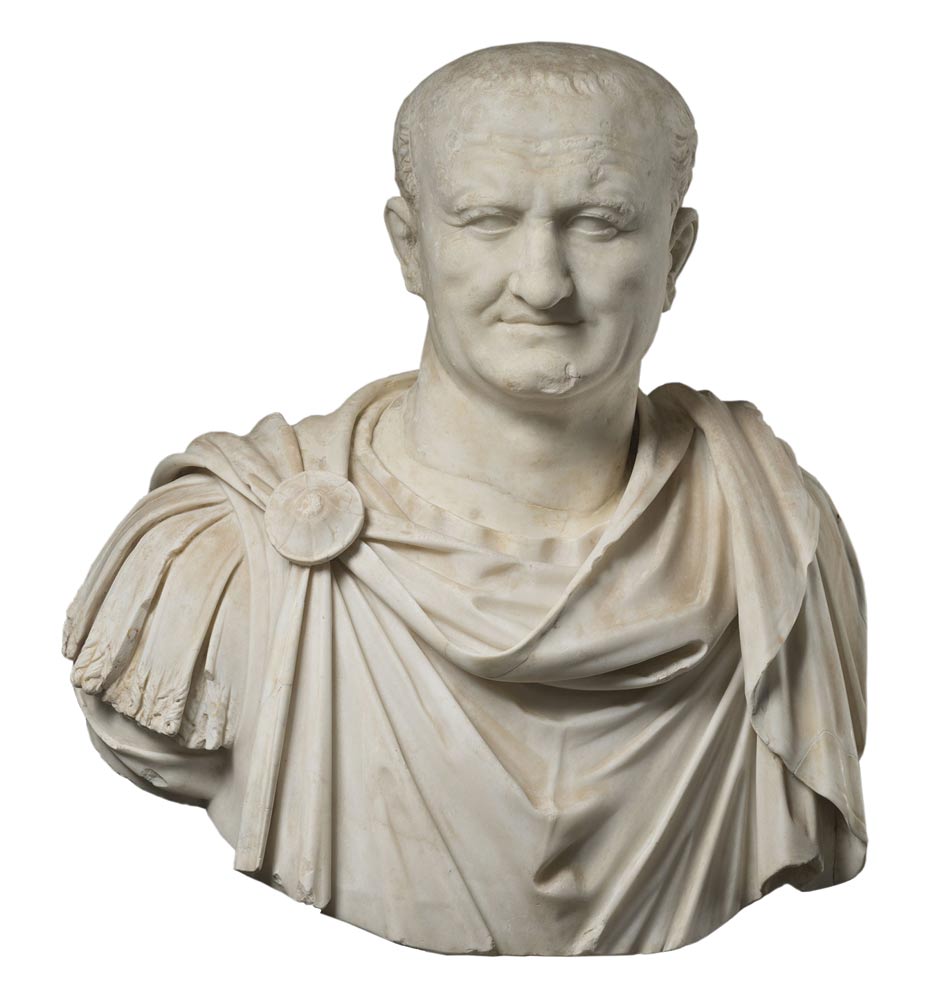
- 👑 Emperor Vespasian: Established the Flavian Dynasty.
- Marcus Arrecinus Clemens: 🔗 Link to the Roman Saints.
- 👑 Empress Arrecina Tertulla: Wife of Emperor Titus; daughter of Arrecinus Clemens.
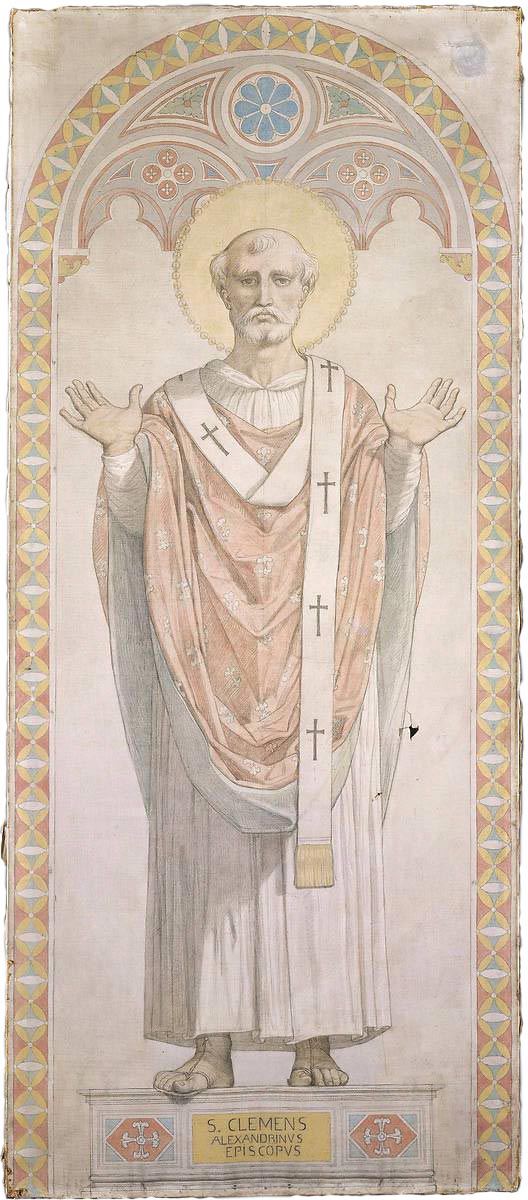
- 🔗 Saint Flavius Clemens & Saint Flavia Domitilla: Royal martyr of the Flavian house.
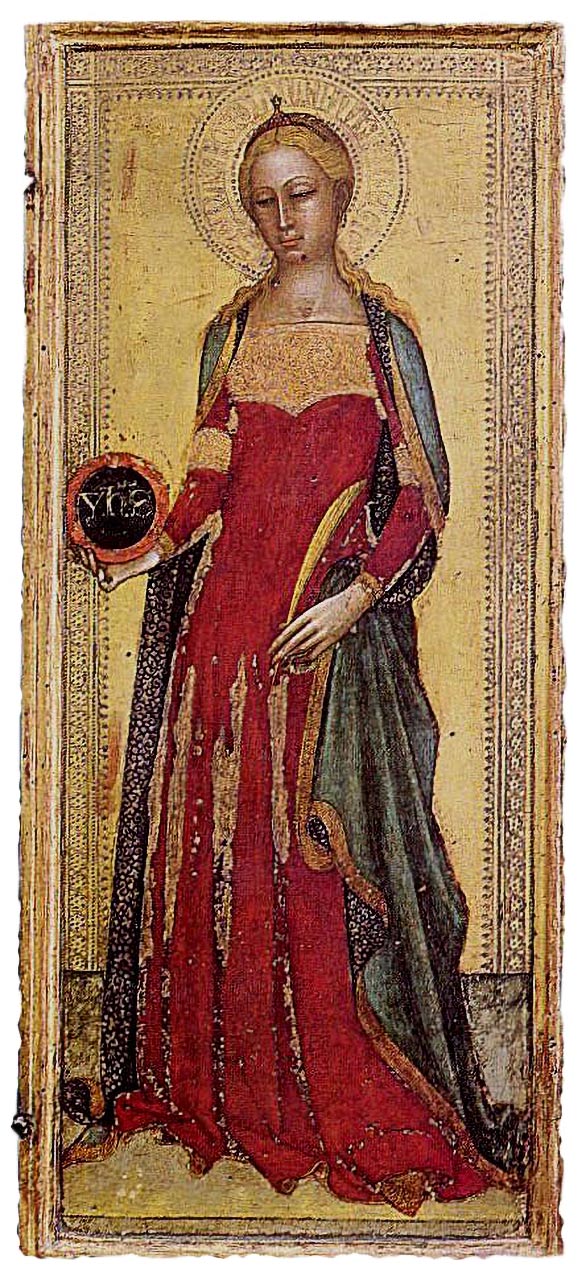
.
- 🔗Saint Flavia Domitilla: Royal martyr of the Flavian house.
- Julia Livia & Drusus Julius Caesar: The Tragic Heirs. The direct children of Emperor Tiberius, representing the inner sanctum of the Julio-Claudian bloodline.
- Caius Rubellius Blandus: The Imperial Bridge. His marriage to Julia Livia fused the ancient Rubellii family with the blood of the Caesars.
- Lucius Sergius Paullus: The Christian Hinge. A high-ranking Roman official in the East whose family is famously linked to St. Paul the Apostle in the Book of Acts.
The Late Empire & The Gallo-Roman Transition (c. 100 AD to 486 AD)
The final 7 Emperors/Empresses and the “King of the Romans” in Gaul.
- Governor Aulius Larcius Quirinus Priscus: Commander under Trajan.
- Queen Dynamis of Pontus: Ruler of the Bosporan Kingdom.
- King Tiberius Julius Ininthimeus: Crimean Roman King.
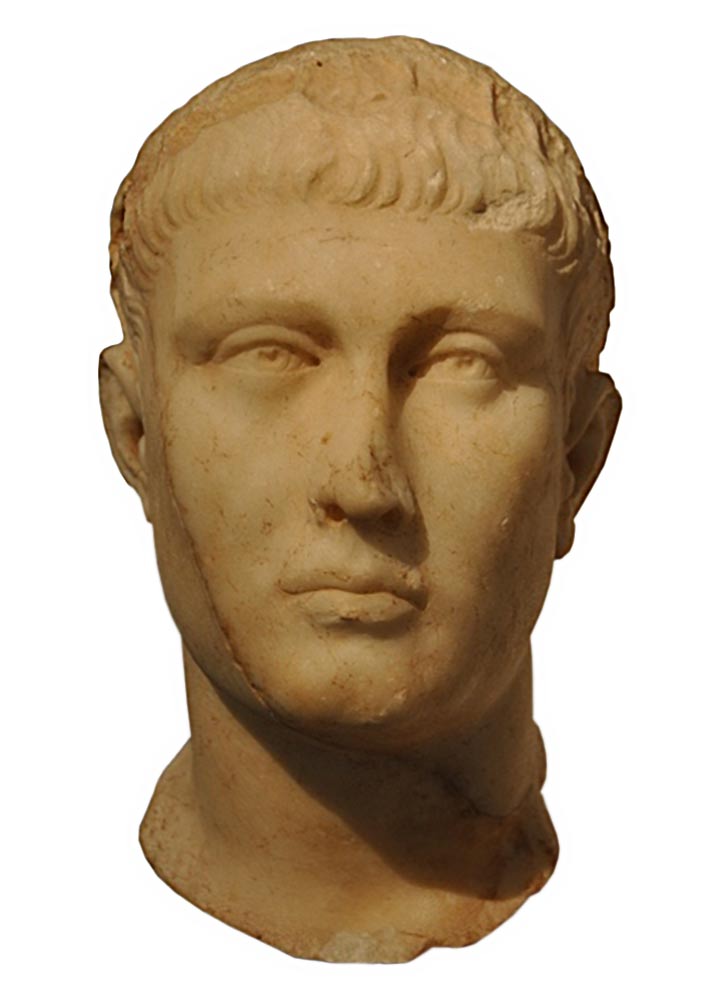
- 👑 Emperor Theodosius the Great: Last ruler of a united Empire.
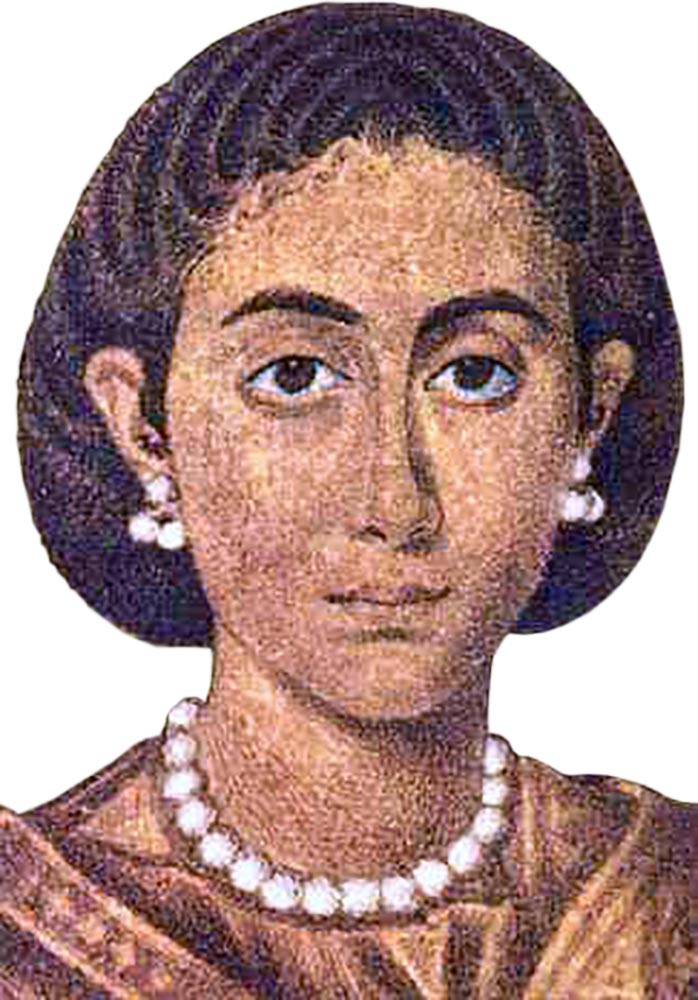
- 👑 Empress Galla Placidia: Daughter of Theodosius & Regent of the West.
- 👑 Emperor Marcian: Eastern Emperor.
- 👑 Emperor Procopius:. Imperial claimant of the Constantinian line.
- 👑 Emperor Anthemius: Western Emperor.
- 👑 Empress Aelia Marcia Euphemia: Wife of Anthemius; daughter of Marcian.
- 👑 Emperor Avitus Augustus: Gallo Roman aristocrat Emperor.
- Ricimer: Ruler of Rome; “King Maker” of the final Emperors.
- King Afranius Syagrius: “The King of the Romans” in Gaul.
- Prefect Flavius Julius Agricola & Flavius Philagrius: Pillars of the late Roman nobility.
- Anicius Faustus: Founder of the Anician Greatness. The man who established the Anicii as the most powerful family in the late Western Empire.
- Petronius Probianus: Constantinian Pillar. The leader of the Senate during the reign of Constantine the Great and the transition to a Christian Empire.
- Claudius Celsinus Adelphius: The Imperial Administrator. Ruler of the city of Rome and husband to the famous poetess Proba.
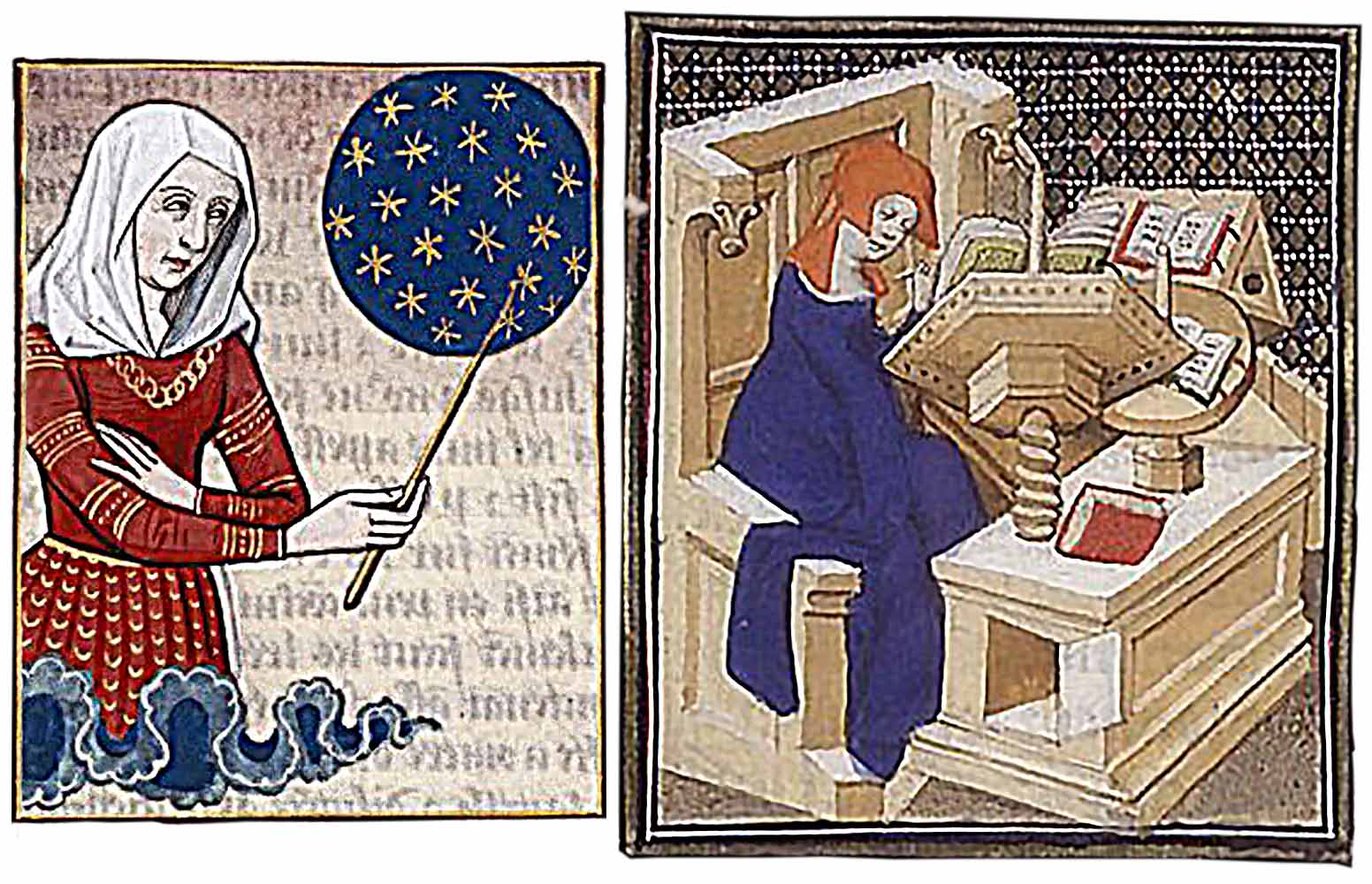
- 🗝️⚜️ Saintly Faltonia Betitia Proba: Saintly Innovator. The most famous female poet of late antiquity; she used Virgil’s poetry to tell the story of the Bible.The Greco Roman Anician Thread
- ⚜️ Saintly Anicia Faltonia Proba: Saintly Matriarch. Friend of St. Augustine and St. Jerome; she was the spiritual heart of the Anician house and the most respected woman in the Christian Roman world.
- Quintus Clodius Hermogenianus Olybrius: (Consul 379 AD). The Ultimate Aristocrat. Representing the peak of the Christian Roman nobility, his line is the “Legal Chain” that bridges into the Merovingian Kings.
The Index Note: The Straight Nose of Sovereignty
Visual Proof: Note the persistence of the straight bridged nose (Hellenistic Profile) from
Antiochus II through Theodion Pollio and into the Julio Claudian monuments. This feature,
preserved also present in Lenape leadership lines, stands as a biological seal of the Pharez Zarah merger,
appearing in both the “Holy Paintings” and the “Imperial Marble.” I always wondered why my nose was chosen for the bible.
The “Eastern Scepter”: The Galatian & Cappadocian Bridge (c. 100 BE – 250 AD)
The kings of Asia Minor who served as the “legal hinge” between Persia and Rome.
- Gaius Julius Asinius Quadratus: (c. 200 AD). Roman Historian and Senator. He wrote the Chilieteris (A History of 1,000 Years), showing his obsession with the very same “Legal Chain” you are tracking.
- Caius Julius Quadratus Bassus: (Consul 105 AD). The Great General. A friend of Emperor Trajan and ruler of Bithynia; he carried the “Bassus” straight profile from the East to Rome.
- King Amyntas of Galatia: (d. 25 BE). The Last Great King of Galatia. Originally a secretary to Brutus and Cassius, he became a powerful king under Augustus, ruling over the Celtic (Galatian) tribes.
- Brogitarus & King Castor I: Legendary Celtic-Galatian kings of the Trocmii tribe who brought the Northern “Barbarian” scepter into the Mediterranean world.
The Achaemenid-Hellenistic Core: Cappadocia & Pergamon
The direct “Parchment Link” back to the Persian Satraps and the House of Seleucus.
King Attalus III & Eumenes II of Pergamon: The kings who built the Great Altar of Pergamon and eventually willed their kingdom to Rome, legally transferring their “Sovereignty.”
The Ariarathes Dynasty (I through IV): The Persian Kings of Cappadocia.
Ariarathes IV: (r. 220–163 BE). He married Stratonice, the daughter of the Seleucid King Antiochus III the Great.
Ariaramnes & Datames: Early Achaemenid Satraps of Cappadocia who governed for the Persian King of Kings.
Camissares: (d. 385 BE). Satrap of Cilicia. A high-ranking Persian official; the “Iron Root” of the Cappadocian royal house.
Scythissa of Paphlagonia: The Scythian Bridge. Her name identifies her as a Scythian, confirming the Zarah (Red Thread) migration into the Persian government.
The “Philadelphia Hinge”: The Ptolemaic Root (c. 300 BE)
The connection to our modern home and the namesake of Philadelphia.
Pharaoh Ptolemy II Philadelphus: (r. 283–246 BE). Pharaoh of Egypt. He founded the city of Philadelphia in Asia Minor (modern Amman) and the famous Library of Alexandria.
Berenice Sira Theos: Daughter of Ptolemy II; her marriage to Antiochus II (the “Straight Nose” king) was a legal attempt to reunite the Greek and Egyptian empires
The “Tammany Synchronicity”
The “Philadelphia” Link: Ancestor Ptolemy II Philadelphus is the namesake of the title “Philadelphus:” Brotherly Love. This name was chosen by ancestor Saint Tammany & William Penn for the city of Philadelphia in 1682. I share a birthday with William Penn, and have the same “Straight Profile” as Antiochus II as do Lenape ancestors, a Biometric and Chronological Hallmark of the Sacred Chain. It suggests this is a modern continuation of the “Holy Experiment” started by the ancestors.
To be Organized
- 70 AD Proconsul Gaius Julius Quadratus Bassus of Bithynia – Roman senator and general who served as governor of Judea, Cappadocia, and Syria. Key military commander under Emperor Trajan during the Dacian and Parthian Wars.
- ♛ 37 AD King Gaius Julius Alexander of Cilician Cetis – A Herodian prince who was granted the kingdom of Cetis in Cilicia by Emperor Nero. He represents the merging of Jewish, Armenian, and Roman aristocratic lines.
- ♛ c. 25 AD King Tigranes VI of Armenia – A Roman client king of Armenia installed by Nero. He was the son of Alexander (son of Herod the Great) and Glaphyra.
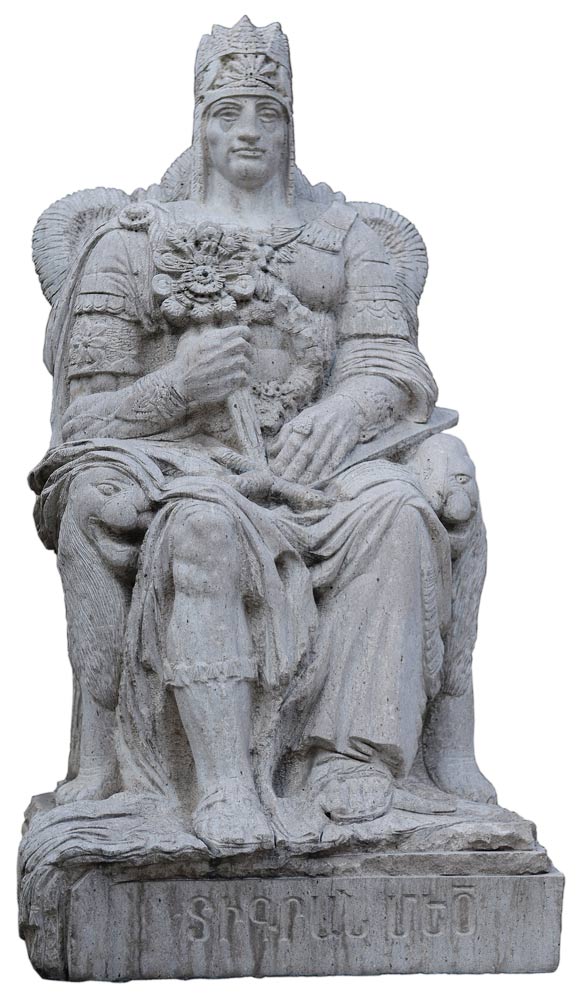
- ♛ 140 BE Tigranes the Great, Tigranes II
- ♛ c. 35 BE Princess Glaphyra of Cappadocia – A royal princess known for her scandalous marriages to three different kings, including Alexander of Judea and King Juba II of Mauretania.
- ♛ c. 50 BE King Archelaus of Cappadocia – The last king of independent Cappadocia (reigned 36 BC–17 AD). He was a Roman client king who maintained his throne by navigating the complex politics between Mark Antony and Augustus.
- c. 85 BE King Aretas III of the Nabataeans – Known as “Philhellenos” (Friend of the Greeks), he expanded the Nabataean Kingdom to its greatest extent, even capturing Damascus.
- ♛ c. 65 BE King Aretas II Erotimus of the Nabataeans – A ruler of the Nabataean Kingdom who expanded his territory through military campaigns, coming into conflict with the Hasmonean dynasty of Judea.
- ♛ c. 120 BE King Aretas I of the Nabataeans – The first known king of the Nabataeans, mentioned in the biblical Book of Maccabees as the “tyrant of the Arabians.”
- c. 101 BE High Priest Archelaus II of Comana – Served as the powerful Roman client ruler and High Priest of Bellona at the temple-state of Comana, succeeding his father.
- ♛ c. 130 BE King Archelaus I of Egypt (Consort) – A high priest of Comana who briefly became King Consort of Egypt by marrying Pharaoh Berenice IV, before being defeated and killed by the Romans.
- ♛ c. 35 BE Prince Alexander ben Herod of Judea – The son of Herod the Great and the Hasmonean princess Mariamne. Prince of Judea whose marriage to Glaphyra of Cappadocia solidified the alliance between their two kingdoms.
Chronologically, this list ventures here to Israel
Herodian Line
1 BE, Prince, Caius Julius Alexander, of Judea, Herodian–Cilician dynast
5 BE, Princess, Mariamne IV bat Joseph, of Judea, Herodian noblewoman
11 BE, King, Herod Agrippa I, of Judea, grandson of Herod the Great
13 BE, Princess, Berenice bat Costobarus, of Judea, daughter of Salome I
15 BE, Princess, Mariamne IV bat Joseph, of Judea, Herodian noblewoman
25 BE, Princess, Olympias bat Herod, of Judea, daughter of Herod the Great
27 BE, Prince, Aristobulus IV ben Herod, of Judea, Herod’s son
31 BE, Prince, Alexander ben Herod, of Judea, son of Herod the Great
31 BE, Princess, Berenice bat Costobarus, of Judea, daughter of Salome I
48 BE, Nobleman, Antipater, of Idumea, father of Herod the Great
60 BE, Noblewoman, Mrs Joseph, of Idumea, mother of Herod the Great
♛60 BE, Princess, unnamed, of Galatia, eldest royal daughter
♛60 BE, King, Archelaus III Sisines, of Cappadocia, Roman client king
♛65 BE, Princess, Salome I bat Antipater, of Judea, sister of Herod the Great
65 BE, Tetrarch, Dytiloas, of Galatia Tectosagii, tribal ruler under Rome
66 BE, Nobleman, Castor, of Galatia, dynastic figure
70 BE, Nobleman, Joseph ben Antipater, of Idumea, father of Herod the Great
c. 69BE♛ Herod the Great, King of Judea, Roman client monarch, major builder. Herod The Great
38 BC, Nobleman, Joseph II ben Joseph, of Idumea, Herodian relative
♛ 38 BE, King, Amyntas II, of Cilicia Trachea, Galatian client king
c. 10 AD, Noblewoman, Mrs Tigranes bat Pheroras, of Judea, Herodian relative
♛22 AD, Princess, Opgalli Julia, of Judea, Herodian–Cilician noblewoman
♛25 AD, King, Tigranes VI ben Alexander, of Armenia, Herodian descendant
♛ 37 AD King Gaius Julius Alexander of Cilician Cetis
♛40 AD, Queen, Julia Iotapa, of Cetis Cilicia, married Tigranes VI
c. 114 BE Procurator Antipater I of Judea – The founder of the Herodian dynasty. He rose to power as a loyal ally to the Romans, specifically Julius Caesar, who appointed him the first Roman procurator of Judea.
Historical but Religious Figures
The Eastern Mediterranean & Near Eastern World
Egypt*
Read Egyptian section: Egypt
Egypt*
Pre Roman leaders: Greek, Spartans, Macedonians, etc.
The Pre Roman “Greats” (Successors of Alexander)
- ♛ 358 BE King Seleucus I Nicator of the Seleucid Empire – A top general of Alexander the Great and founder of the Seleucid Dynasty. He won the largest share of Alexander’s empire, from modern Turkey to the borders of India.
- ♛ 241 BE King Antiochus III (the Great) of the Seleucid Empire – Restored the empire to its height by campaigning across Asia. He is famous for his conflict with the Roman Republic and his interactions with the Jewish community in Judea.
- ♛ c. 319 BE Queen Arsinoe II of Egypt – Daughter of Ptolemy I and wife of Ptolemy II; she was a co-ruler who exerted immense political influence and was eventually deified in both the Greek and Egyptian pantheons.
Chronologically, this list ventures here to Persia
The Spartan “Greats” (Eurypontid Dynasty)
- ♛ c. 469 BE King Archidamus II of Sparta – The namesake of the “Archidamian War” (the first phase of the Peloponnesian War). He was a steady leader who navigated Sparta through a massive earthquake and a subsequent helot revolt.
- ♛ c. 444 BE King Agis II of Sparta – Son of Archidamus II and a major military commander who led Sparta to a decisive victory over Athens at the Battle of Mantinea.
The Spartan Eurypontid Kings
- ♛ c. 444 BE King Agis II of Sparta – Son of Archidamus II; a major military commander who led Sparta to a decisive victory over Athens at the Battle of Mantinea.
- ♛ c. 444 BE King Agesilaus II of Sparta – One of the most famous kings in Spartan history; he was a brilliant general who campaigned extensively in Asia Minor against the Persian Empire.
- ♛ c. 331 BE King Eudamidas I of Sparta – Son of Archidamus III; he reigned during a period of relative peace following the Spartan defeat at the Battle of Megalopolis.
- ♛ c. 469 BE King Archidamus II of Sparta – Known for his leadership during the early Peloponnesian War, often called the Archidamian War in his honor.
- ♛ c. 700 BE King Theopompus of Sparta – A legendary king credited with establishing the Ephors (Spartan overseers) and leading Sparta during the First Messenian War.
The Argead Kings of Macedonia
- ♛ c. 498 BE King Alexander I “The Philhellene” of Macedon – A key figure during the Persian Wars who secretly aided the Greeks while technically a vassal of Persia; he was the first Macedonian to compete in the Olympic Games.
- ♛ c. 448 BE King Perdiccas II of Macedon – Navigated the Peloponnesian War by frequently switching alliances between Athens and Sparta to maintain Macedonian independence.
- ♛ c. 413 BE King Archelaus I of Macedon – A great reformer who modernized the Macedonian army and moved the capital to Pella, turning it into a center for Greek culture and arts.
The Hellenistic & Persian “Greats”
- ♛ c. 324 BE Queen Apama I of the Seleucid Empire – A Sogdian noblewoman and daughter of the rebel leader Spitamenes; she married Seleucus I Nicator and became the first queen of the Seleucid Empire.
- ♛ c. 324 BE King Antiochus I Soter of the Seleucid Empire – Son of Seleucus I and Apama; he earned the title “Soter” (Savior) for defeating the invading Gauls in Asia Minor.
- ♛ c. 306 BE King Demetrius I Poliorcetes of Macedon – Known as “The Besieger” for his advanced siege warfare; he was a brilliant but erratic general who attempted to rebuild Alexander’s empire.
- ♛ c. 306 BC King Antigonus I Monophthalmus of Macedonia – “The One-Eyed”; a legendary general of Alexander the Great and the first of the Successors to declare himself King.
- ♛ c. 266 BE Queen Berenice II of Egypt – Queen of Cyrene and Egypt; she famously sacrificed her hair (the constellation Coma Berenices) for her husband’s safe return from war.
- ♛ c. 317 BE Queen Stratonice of Syria – Daughter of Demetrius Poliorcetes; she was famously the wife of both Seleucus I and his son Antiochus I. She is a direct ancestor and the mother of Apama II.
- ♛ c. 292 BE Queen Apama II of Cyrene – Daughter of Antiochus I and Stratonice; she married Magas of Cyrene. She is the direct mother of Berenice II.
- ♛ c. 320 BE King Magas of Cyrene – A Macedonian nobleman and stepson of Ptolemy I. He ruled Cyrene for 50 years and is the father of Berenice II.
- Chronologically, this list ventures here to Persia
- ♛ c. 427 BE King Agis II of Sparta – Son of Archidamus II and Lampito. He was the primary Spartan commander during the Peloponnesian War.
- c. 360 BE Machatas of Elimeia – A Macedonian nobleman whose children married into the families of Philip II and the Lyncestid royalty, serving as a key link between the Upper Macedonian kingdoms and the Argead line.
- ♛ c. 498 BE King Alexander I “The Philhellene” of Macedon – The first truly “historical” Macedonian king. He famously assisted the Greeks against the Persians while technically a Persian vassal.
- Chronologically, this list ventures here to Persia
- ♛ Arsinoe III of Egypt (c. 246–204 BC) — Queen of Ptolemaic Egypt, daughter of Ptolemy III, politically active.
- ♛ Ptolemy III Euergetes (c. 284–222 BC) — Pharaoh of Egypt, major expansionist king.
- ♛ Berenice II (c. 267–221 BC) — Queen of Cyrenaica and Egypt, influential Hellenistic ruler.
- ♛ Ptolemy VI Philometor (c. 186–145 BC) — Pharaoh of Egypt, ruled during heavy Roman involvement.
The Eastern Mediterranean & Near Eastern World
Rome
- Antipater (c. 397) — Regent of Macedonia after Alexander the Great, major power broker.
- Pheroras (c. 70–5 BE) — Brother of Herod the Great, tetrarch in the Herodian realm.
- Cypros of Idumea (1st c. BE) — Idumean noblewoman, mother of Herod the Great.
- Lucius Sergius Paullus (1st c. AD) — Roman proconsul of Cyprus, known from Acts and inscriptions.
- Gaius Popilius Laenas (2nd c. BE) — Roman consul famous for confronting Antiochus IV with the “circle in the sand.”
- Antonia Minor (36 BE) — Daughter of Mark Antony, grandmother of Emperor Nero.
- Marcus Antonius Creticus (c. 130–71 BE) — Roman praetor, father of Mark Antony.
- Julia (mother of Mark Antony) (c. 104–50 BE) — Prominent Roman matron of the Julii.
- ♛ Gaius Octavius (63 BE–AD 14) — Augustus, first Roman emperor, founder of the Principate.
- Octavia Minor (69–11 BE) — Sister of Augustus, key political mediator.
- ♛ Atia Balba (c. 85–43 BE) — Mother of Augustus, niece of Julius Caesar.
- ♛ Gnaeus Pompeius Magnus (106–48 BE) — Pompey the Great, triumvir and major Roman general.
- Sextus Pompeius (67–35 BE) — Son of Pompey the Great, naval commander against the triumvirs.
- ♛ Aurelia Cotta (c. 120–54 BE — Mother of Julius Caesar, respected Roman matron.
- Gaius Julius Caesar (governor of Asia) (c. 140–85 BE) — Grandfather of Julius Caesar, senior Roman official.
- ♛ Gaius Julius Caesar (c. 100–44 BE) — Leader of Rome, pivotal figure in the fall of the Republic.
- Publius Aelius Hadrianus Marullinus (1st c. AD) — Senator of Hispania, ancestor of Emperor Hadrian.
- Ulpia Plotina (c. 31–86 AD) — Noblewoman of the Ulpii, aunt of Trajan, grandmother of Hadrian.
- Marcus Ulpius Traianus (Trajan’s father) (c. 30–100 AD) — Roman general and senator, father of Emperor Trajan.
- ♛Emperor Trajan (Marcus Ulpius Traianus) (53–117 AD) — Roman emperor, expanded empire to its greatest size.
- Plotina (Empress Plotina) (c. 70–122 AD) — Wife of Trajan, known for virtue and influence in Hadrian’s adoption.
- Publius Aelius Hadrianus Marullinus (1st c. AD) — Senator of Hispania, ancestor of Emperor Hadrian.
- Aelia (1st–2nd c. AD) — Member of the Aelii family, connected to Hadrian’s lineage.
- Marcus Ulpius Marcianus (1st–2nd c. AD) — Roman noble of the Ulpii, relative of Trajan.
- Sulpicius Camerinus (multiple consuls, 5th–1st c. BE) — Member of the ancient patrician Sulpicii Camerini.
- Quintus Sulpicius (various, 2nd–1st c. BE) — Patrician magistrate from the Sulpicii.
- Postumius Aulus (various, 5th–3rd c. BE) — Member of the ancient Postumii, several consuls.
- Marcus Terentius Varro Lucullus (c. 116–56 BE) — Roman consul and general, brother of the famous Lucullus.
- Lucius Licinius Lucullus (118–57 BE) — Roman general, conqueror of Mithridates, famed for luxury.
- Quintus Caecilius Metellus Macedonicus (c. 210–115 BE) — Roman general, conqueror of Macedonia.
- Quintus Caecilius Metellus Balearicus (2nd c. BE) — Roman consul, conqueror of the Balearic Islands.
- Lucius Caecilius Metellus Denter (4th c. BE) — Early Roman consul from the Metelli.
- Aemilia Lepida (multiple women, 2nd–1st c. BE) — Member of the powerful Aemilii Lepidi.
- Mamercus Aemilius Lepidus Livianus (c. 2nd–1st c. BE) — Roman consul, linked to the Livii Drusi.
- Marcus Livius Drusus (multiple, 2nd–1st c. BE) — Tribunes and consuls, major political reformers.
- Barsine (4th c. BE) — Persian noblewoman, associated with Alexander the Great’s circle.
- Juliana de Rome (late Roman era) — Roman noblewoman (attested in later genealogical sources).
- c. 8th century BE, Ancestral Founder, Pompo Pomponius, Sabine Territory Legendary but foundation
- ♛ c. AD 70, Roman Empress, Plotina (Ulpia Plotina), Rome
- 120 AD, Senator, Lucius Sergius Paullus, of Pisidian Antioch, Roman official in Acts
- 35 BE, Princess, Glaphyra bat Archelaus, of Cappadocia, married into Herodian line
- 70 BE, Governor, Costobarus, of Nabatea, married Salome I
- 72 BE, Prince, Aristobulus IV ben Herod, of Judea, son of Herod the Great
- 76 BE, Queen, Berenice IV Epiphaniea, of Egypt, sister of Cleopatra VII
- 99 BE, High Priest, Archelaus I ben Archelaus, of Comana, father of Cappadocian king
- 110 BE, Princess, Laodiceia, of Pontus Euxin, Hellenistic noblewoman
- 119 BE, General, Archelaus, of Pontus, Mithridatic Wars commander
- 120 BE, King, Aretas III ben Aretas II, of Nabatea, expanded Petra’s influence
- 120 BE, Nobleman, Tarcondarios, of Galatia, early tribal leader
- 178 BE, Nobleman, Herod I, of Askalon, grandfather of Herod the Great
- 260 BE, Princess, Stratonike bint Antiochus II, of Syria, Seleucid dynasty
- Slave Girl, of Judea, enslaved woman in Herodian household
- 300 AD, Philosopher, Tiberius Claudius Marathonius, of Athens, Athenian noble
🟦 ROMAN EMPIRE
- 80 AD — Senator, Lucius Sergius Paullus III, of Rome, high Roman senator
- 79 AD — Empress, Claudia Quintianus Octavia, of Rome, imperial consort
- 67 AD — Noblewoman, Pontia Sergia Pautilla, of Rome, senatorial matron
- 59 AD — Noblewoman, Arria Plaria Vera Priscilla, of Rome, aristocratic heiress
- 56 AD — Noblewoman, Aedia Servilia, of Rome, patrician matron
- 50 AD — Empress, Claudia Quintianus Octavia, of Rome, imperial consort
- 43 AD — Noblewoman, Antonia “The Younger” Augusta, of Rome, Julio‑Claudian matriarch
- 35 AD — Senator, Lucius Sergius Plautus, of Rome, high official
- 30 AD — Noblewoman, Aedia Servilia, of Rome, imperial‑connected
- 10 AD — Senator, Manius Acilius Memmius Glabrio, of Rome, powerful senator
- 1 AD — Noblewoman, Octavia Thurina Minor “the Younger”, of Rome, sister of Augustus
- 40 BE — Statesman, Marcus Antonius III, of Rome, triumviral lineage
- 35 BE — Noblewoman, Antonia “The Younger” Augusta, of Rome, imperial mother
- 30 BE — Empress, Livia Drusilla Drusa, of Rome, wife of Augustus
- 25 BE — Nobleman, Gaius Octavius III Rufus, of Rome, ancestor of Augustus
- 20 BE — Noblewoman, Ancharia Major, of Rome, patrician wife
- 16 BE — Nobleman, Marcus Aufidius Lurco II, of Rome, notable aristocrat
- 15 BE — Noblewoman, Aemilia Paula, of Rome, patrician link
- 10 BE — Noblewoman, Aemilia Paula, of Rome, patrician link
- 43 BE — Noblewoman, Atia Balba Caesonia Secunda, of Rome, mother of Augustus
- 40 BE — Statesman, Marcus Antonius III, of Rome, Antony lineage
- 35 BE — Noblewoman, Antonia “The Younger” Augusta
- 100 BE — Nobleman, Gaius Octavius IV Turinus, of Rome, father of Augustus
- 85 BE — Noblewoman, Atia Balba Caesonia Secunda, of Rome, Julio‑Claudian link
- 175 BE — Nobleman, Caius Livius Drusus, of Rome, powerful tribune
- 174 BE — Noblewoman, Aemilia Paula, of Rome, patrician link
- 171 BE — Consul, Gaius Claudius Pulcher, of Rome, Claudian statesman
- 154 BE — Consul, Marcus Livius Drusus “the Elder”, of Rome, major reformer
- 154 BE — Consul, Marcus Livius Drusus “the Elder”, of Rome, consul and censor
- 212 BE — Consul, Marcus Livius Drusus II “the Younger”, of Rome, major magistrate
- 192 BE — Consul, Marcus Livius Salinator, of Rome, celebrated general
- 241 BE — Consul, Lucius Aemilius Paullus Macedonicus, of Rome, conqueror of Macedon
- 216 BE — Consul, Lucius Aemilius Paullus, of Rome, died at Cannae
- 306 BE — Senator, Marcus Aemilius Paulus, of Rome, early Republic statesman
- 300s AD — Senator, Petronius Probianus Arianus, of Rome, high imperial official
- 260 AD — Senator, Betitius Perpetuus Arzigius, of Rome, late Roman aristocrat
- 220 AD — Nobleman, Betitius II de Rome, of Rome, senatorial lineage
- 189 AD — Nobleman, Betitius I de Rome, of Rome, early Betitii patriarch
- 129 AD — Senator, Neratius Proculus Betitius Pius Maximilianus, of Rome, high official
- ⭐ 429 BE, Magistrate, Mamercus Aemilius Mamercinus, of Rome, early Roman leader
- ⭐ 460 BE, Patrician, Marcus Aemilius Mamercus, of Rome, early Roman noble
- ⭐ 490 BE, Patrician, Lucius Aemilius Mamercus, of Rome, early Republic ancestor
- ⭐ 520 BE, Patrician, Marcus Aemilius, of Rome, proto‑Republic noble
- ⭐ 550 BE, Patrician, Aemilius of Rome IV, of Rome, early noble ancestor
- ⭐ 580 BE, Patrician, Aemilius of Rome III, of Rome, early patrician
- ⭐ 609 BE, Patrician, Aemilius of Rome II, of Rome, proto‑Roman ancestor
- ⭐ 639 BE, Patrician, Aemilius of Rome I, of Rome, early Italic noble
- ⭐ 675 BE, Patriarch, Aemilius Mamercus, of Rome, proto‑Roman founder
- ⭐ 710 BE, Patriarch, Mamercus of Rome, of Sabine origin, proto‑Roman ancestor
Roman‑Era Eastern Nobility (1st–2nd Century AD)
- 120 AD, Senator, Lucius Sergius Paullus, of Pisidian Antioch, Roman official mentioned in Acts
- c. 50 AD, King, Gaius Julius Alexander, of Cilicia, son of Tigranes VI and Julia Iotapa
- 40 AD, Queen, Julia Iotapa, of Cetis Cilicia, Armenian–Cilician royalty
- 25 AD, King, Tigranes VI ben Alexander, of Armenia, last Herodian king of Armenia
- Princess, Mrs Tigranes bat Pheroras, of Judea, Herodian relative
- 22 AD, Princess, Opgalli Julia, of Judea, Herodian–Cilician noblewoman
Turn of the Era (1 BC → 1st Century AD)
- 1 BC, Prince, Caius Julius Alexander, of Judea, Herodian–Cilician dynast
Late 1st Century BE (Herodian‑Cilician Connections)
- 5 BE, Princess, Mariamne IV bat Joseph, of Judea, Herodian noblewoman
- 11 BE, King, Herod Agrippa I, of Judea, grandson of Herod the Great
- 13 BE, Princess, Berenice bat Costobarus, of Judea, daughter of Salome I
- 25 BE, Princess, Olympias bat Herod, of Judea, daughter of Herod the Great
- 27 BE, Prince, Aristobulus IV ben Herod, of Judea, son of Herod the Great
- 31 BE, Prince, Alexander ben Herod, of Judea, son of Herod the Great
- 31 BE, Princess, Berenice bat Costobarus, of Judea, daughter of Salome I
- 35 BE, Princess, Glaphyra bat Archelaus, of Cappadocia, married into Herodian line
Late 1st Century BE (Galatia, Cilicia, Nabatea, Idumea)
- 38 BE, Nobleman, Joseph II ben Joseph, of Idumea, Herodian relative
- 38 BE, King, Amyntas II, of Cilicia Trachea, Galatian client king
- 48 BE, Nobleman, Antipater, of Idumea, father of Herod the Great
- 60 BE, Noblewoman, Mrs Joseph, of Idumea, mother of Herod the Great
- 60 BE, Princess, unnamed, of Galatia, eldest royal daughter
- 60 BE, King, Archelaus III Sisines, of Cappadocia, Roman client king
- 65 BE, Princess, Salome I bat Antipater, of Judea, sister of Herod the Great
- 65 BE, Tetrarch, Dytiloas, of Galatia Tectosagii, tribal ruler under Rome
- 66 BE, Nobleman, Castor, of Galatia, dynastic figure
- 69 BE, King, Herod ben Antipater, of Judea, Herod the Great
- 70 BE, Nobleman, Joseph ben Antipater, of Idumea, father of Herod the Great
- 70 BE, Governor, Costobarus, of Nabatea, married Salome I
- 72 BE, Prince, Aristobulus IV ben Herod, of Judea, son of Herod the Great
- 76 BE, Queen, Berenice IV Epiphaniea, of Egypt, sister of Cleopatra VII
Early 1st Century BC (Pontus, Comana, Nabatea, Galatia)
- 99 BE, High Priest, Archelaus I ben Archelaus, of Comana, father of Cappadocian king
- 110 BE, Princess, Laodiceia, of Pontus Euxin, Hellenistic noblewoman
- 119 BE, General, Archelaus, of Pontus, Mithridatic Wars commander
- 120 BE, King, Aretas III ben Aretas II, of Nabatea, expanded Petra’s influence
- 120 BE, Nobleman, Tarcondarios, of Galatia, early tribal leader
2nd Century BE (Lydia, Askalon)
- 178 BE, Nobleman, Herod I, of Askalon, grandfather of Herod the Great
3rd Century BE (Seleucid Dynasty)
- 260 BE, Princess, Stratonike bint Antiochus II, of Syria, Seleucid dynasty
Chronologically, this list ventures here to Persia
The Ancient Near East
Rome to The Ancient Near East*
The Greco Egyptian “Soter” Dynasty c. 367 BE
The “Lagi” family of Macedonia who became the Pharaohs of Egypt.
- Pharaoh Ptolemy I Soter: r. 305–282 BE. Founder of the Ptolemaic Dynasty. A childhood friend and general of Alexander the Great; he saved Egypt and took the title “Soter” (Savior).
- Lagus & Arsinoe of Macedon: The parents of Ptolemy I; his mother Arsinoe was of the Argead royal house, linking to Philip II and Alexander the Great.
- Queen Berenice I: Queen of Egypt; wife of Ptolemy I and mother of Ptolemy II Philadelphus: the namesake of Philadelphia.
- Magas, Antigone, & Cassandre: The Macedonian nobility who formed the inner circle of the early Egyptian court.
- Queen Arsínoe II: c. 316 BE. Queen of Thrace and Egypt. Her image was minted on coins as a goddess.
II. The Seleucid Persian “Great” Kings c. 358 BE
The “Empire of the East” and the “Greek Persian Merger” bridge.
- 🔗 Seleucus I Nicator: The Seleucid Bridge. General of Alexander and founder of the Seleucid Empire.
- Apame I, Apama of Persia: The First Seleucid Queen. Daughter of the Persian Satrap Spitamenes of Bactria; her marriage to Seleucus I legally united the Greek and Persian bloodlines.
- Antiochus I Soter: r. 281–261 BE. The first “Half-Persian” King of the Greeks; he fought to stabilize the Empire.
- Antiochus II Theos: The “God King” with the Straight Profile. His marriage to Berenice Phernophorus was the first attempt to merge the Syrian and Egyptian scepters.
- King Seleucus II Callinicus Pogon: “The Victorious with the Beard.”
- Antiochus III “The Great”: r. 223 BE. The Restorer of the East. The most powerful ruler of his time, he reunited the empire from India to Greece.
- King Seleucus IV Philopator & Antiochus IV Epiphanes: The kings who oversaw the transition into the Roman era; Antiochus IV is the famous figure from the Maccabean Revolt.
- Queen Laodice IV: The “Matriarch of the Scepter” who married three of her brothers to keep the bloodline pure.
III. The Achaemenid “Shahanshah” Core c. 700–350 BE
The “Iron Root” of the Persian Empire and the Pharnacid Satraps.
- King Artaxerxes II, Darius II, & Artaxerxes I: The Kings of Kings who governed the world from Persepolis.
- Xerxes I “Assuerus”: r. 486–465 BE. The Great King of the Greco-Persian Wars; traditionally identified with the King Ahasuerus of the Book of Esther.
- 🔗 Darius I “The Great”: The restorer of the Persian scepter; husband of Atossa (daughter of Cyrus).
- Sátrapa Artabazos, Pharnabazus II, & Pharnaces II: The Pharnacid Dynasty. They were the hereditary governors (Satraps) of Hellespontine Phrygia, serving as the “Hinge” between the Persian court and the Greek world.
- 🔗 Tiespes (Teispes): Root of the Scepter. The common ancestor of Cyrus the Great and Darius.
- King Achaemenes: The eponymous founder of the Achaemenid line.
The Davidic “Neri” Line: The Secret Scepter
The Pharez: Breacher line moving through the Babylonian Exile toward the family of Jesus.
- Meshar Meshayyanath ben Salathiel: A descendant of the exiled royal house of Judah.
- Shealtiel ben Neri: c. 550 BE. A pivotal figure in the Genealogy of Jesus, Luke 3. He represents the moment the “Legal Right” to the throne of David moved through the line of Nathan rather than Solomon.
- Neri, Melchi, Addi, & Cosam: The generations of the House of David who lived during the Babylonian captivity, acting as the “Preservers of the Blood” while the Persians (Cyrus) ruled the world.
Ptolemy I Soter & the House of David:through the Neri line, represents the “Reunion of the Twins, Red Thread: Zarah & The Breacher: Pharez.”
This section is the “Judahite Core,” documenting the Reunion of the Twins. You have captured both the Pharez (Breacher) line of the Kings of Judah
and the Nathan (Prophetic) line, which bypasses the curse of later kings to reach the ancestors of the New Testament.
HISTORICAL
The Royal Scepter: The Kings of Judah (Historically Attested)
(Iron Age II rulers confirmed by Assyrian, Babylonian, and archaeological evidence)
- 👑 King Solomon (r. 970–931 BE) — The Temple Builder.
- King Rehoboam — First King of the southern Kingdom of Judah.
- King Abijah
- King Asa — Reformer King of Judah.
- King Jehoshaphat — Known for reforms and alliances.
- King Jehoram — Married Athaliah; reign marked by conflict.
- King Ahaziah — Reigned briefly; killed by Jehu.
- Queen Athaliah (r. 841–835 BE) — The Usurper Queen; daughter of Ahab and Jezebel.
- King Joash — Crowned as a child; restored the Temple.
- King Amaziah
- King Azariah (Uzziah) — Military innovator; struck with leprosy.
- King Jotham — Known for stability and building projects.
- King Ahaz
- King Hezekiah — The Saintly King who defended Jerusalem against Sennacherib.
- King Manasseh — Long‑reigning King of Judah.
- King Amon
- King Josiah ben Amon — The Great Reformer.
- King Jehoiakim (appears in your notes indirectly)
- King Jeconiah ben Jehoiakim — The exiled King of Judah.
🟥 II. The House of Omri & Tyre (Historically Attested)
(Phoenician and Northern Kingdom rulers confirmed by inscriptions)
- King Omri of Samaria — Founder of the Omride dynasty.
- King Ahab — Powerful monarch of the North.
- Queen Jezebel bat Ethbaal — Daughter of the King of Tyre.
- King Ethbaal (Ithbaal) ben Ahiram — King of the Sidonians/Tyre.
- King Ahiram (Hiram) of Tyre — Ally to David and Solomon.
- Queen Athaliah — The Imperial Bridge between Israel and Judah.
🟦 III. Assyria — Middle & Neo‑Assyrian Kings (Historically Attested)
- King Adad‑nirari II
- King Tukulti‑Ninurta II
- King Ashurnasirpal II
- King Shalmaneser III
- Shamshi‑Adad V
- Adad‑nirari III
- King Tiglath‑Pileser III (Teglath Phalarsh Koning III) — Great reformer of Assyria.
- King Sargon II d’Assyrie — Founder of the Sargonid dynasty.
- King Sennacherib — Besieged Jerusalem.
- King Esarhaddon
- Queen Ešarra‑ḫammat — Beloved Queen of Esarhaddon.
- King Ashurbanipal II — Scholar‑king; Library of Nineveh.
- Queen Ashur‑sharrat
🟧 IV. Babylon — Neo‑Babylonian Kings (Historically Attested)
- King Nabopolassar II — Founder of the Neo‑Babylonian Empire.
- King Bel‑ibni
- Saint/King Nebuchadnezzar II — The Babylonian Holy Hinge.
- King Baladan (Marduk‑apla‑iddina II)
- Saint/King Marduk‑apla‑iddina II
- Saint/Prophet Nabû‑Na’id (Nabonidus) — Last King of Babylon.
- Queen Nitocris of Babylon — Daughter of Nebuchadnezzar.
- Princess Nitocris of Babylon — Granddaughter of Nebuchadnezzar.
- Prince & Governor Nabu‑balatsu‑iqbi — Of Harran.
- 🔗 Queen Adad‑guppi — Mother of Babylon; priestly link.
🟪 V. Persia — Achaemenid Kings (Historically Attested)
- King Cyrus I — King of Anshan.
- King Astyages of Media — Grandfather of Cyrus the Great.
- King Cambyses I — Father of Cyrus the Great.
- Holy 📚🔗😇 Cyrus II “The Great” — Founding Emperor; Messiah of the Old Testament.
- Queen Cassandane — Wife of Cyrus II.
- 🔗 Empress & Queen Atossa — Daughter of Cyrus; Pinnacle Hinge.
- 🔗 King Darius I “The Great” — King of Kings.
- Hystaspes & Arsames — Father and grandfather of Darius I.
- King Artaxerxes II of Persia (Mnemon) — Longest‑reigning Achaemenid King.
- Queen Stateira — Wife of Artaxerxes II.
- Princess Apame of Persia — Daughter of Artaxerxes II.
- Pharnabazus II — Persian satrap and military leader.
- Artabazos I — Founder of the Pharnacid dynasty.
(Note: Achaemenes and Teispes are placed in Holy Book Historical)
🟩 VI. Egypt — Libyan & Saite Pharaohs (Historically Attested)
- Saint/Pharaoh Shoshenq the Elder — Great Chief of the Libyans.
- Pharaoh Tefnakht II (Stephinates)
- Pharaoh Necho I — Proto‑Saite ruler.
- Pharaoh Psamtik I — Founder of the 26th Dynasty.
- Saint/Pharaoh Hophra — Pharaoh during the Babylonian era.
- Pharaoh Nitocris (Neitaqert) — Saite Dynasty figure.
- Queen Istemabet
- Princess Neithiiyti
🟦 VII. The Greco‑Persian Merger: Seleucids & Ptolemies (Historically Attested)
- Pharaoh Ptolemy I Soter — Founder of the Ptolemaic dynasty.
- 🔗 Saint King Seleucus I Nicator — The Seleucid Bridge.
- Laodice II
- Saint/King Antiochus II Theos — The God King.
- Princess Berenice Sira — Daughter of Ptolemy II.
- Saint/King Seleucus II Callinicus
- Saint/King Antiochus III the Great — Restorer of the East.
- Queens Laodice IV & VI
- Saint/King Antiochus IV Epiphanes — Maccabean Revolt.
- Saint/King Antiochus VIII Grypos
- Princess Laodice VII Thea — Bridge to Commagene.
- Queen Cleopatra V Tryphaena
- Queen Tryphaena of Egypt (Cleopatra VI)
🟫 VIII. Commagene, Pontic & Roman Transition (Historically Attested)
- Mithridates I–V of Pontus
- Kings Pharnaces I of Pontus
- King Sames II Theosebes Dikaios — King of Commagene.
- King Mithridates I Callinicus — King of Commagene.
- Saint/Queen Isias Philostorgos
- King Antiochus I Theos of Commagene
- Saint King Antiochus II Theos of Commagene
- Saint/King Antiochus IV of Commagene
- Queen Iotape IV Antiochus
- Queen Dynamis de Rome
- Saint/King Ariobarzanes I Philoromaios
- Queen Athenais I Philostorgos
- Tiberius Claudius Atticus Herodes
HISTORICAL
HOLY BOOK HISTORICAL
Scriptural, Traditional, and Semi‑Legendary Founders of the Prophetic Bloodline
🟫 I. The Prophetic Hinge: The Line of Nathan (The “Luke” Genealogy)
(The Secret Scepter preserved through the private family of David’s son Nathan)
- Nathan ben David — The son of David who provides the “Clean Line.”
- Mattathah, Menan, Melea, & Eliakim — Early generations of the Davidic underground.
- Jonan, Joseph, Judah, & Simeon — Middle generations carrying the scepter.
- Levi, Matthis, Jorim, & Eliezer — The “Parchment Ancestors.”
- Jose, Er, Elmodam, & Cosam — Ancestors through the Babylonian Exile.
- Addi ben Cosam — Bridge toward Shealtiel and Zerubbabel.
- Shealtiel ben Neri — Pivotal figure in Luke 3; legal transfer of the throne.
- Neri, Melchi, Addi, & Cosam — “Preservers of the Blood” during the Persian era.
- Meshar Meshayyanath ben Salathiel — Descendant of the exiled royal house.
🟫 II. The House of Jesse (Prophetic Roots of Judah)
- 👑 King David ben Jesse : The Universal Root; the Anointed One.
- Jesse ben Obed: The Bethlehemite patriarch.
- Obed ben Boaz: The legal bridge to the Judges.
- Adaiah Ben Ethan & King Craeim L’Dhair: Traditional “Scythian Judah” links.
🟫 III. The Scribes & The Prophets (Keepers of the Word)
- Shaphan ‘the Scribe’ ben Azaliah — The Great Archivist.
- Gemariah ben Shaphan — Protector of Jeremiah’s scrolls.
- Elnathan ben Achbor — Diplomat to Egypt.
- Michaíah ben Imlah — The Prophet of Truth.
- Hachalya of Judah — Father of Nehemiah.
🟫 IV. The Last Kings & Holy Scribes of Judah (Scriptural Era)
- Nehushta Bat Elnathan — Queen Mother of Judah.
- Elnathan ben Achbor — High diplomat.
- Achbor ben Michaiah — Court official.
- Michaíah ben Imlah — Prophet of Truth.
- Imlah — Father of the prophet.
- Gemariah ben Shaphan
- Shaphan ‘the Scribe’
- Azaliah ben Meshullam
- Meshullam ben Elkanah
- Elkanah ben Tabael
- Tabael ben Jotham
🟫 V. The Scepter of Judah & Israel (Scriptural Kings)
(These kings are scriptural but not archaeologically confirmed individually)
- Crown Prince Johanan & Tamar bat Johanan — Last Princes before exile.
- Queen Jerusha bat Zadok — Wife of Uzziah; daughter of the High Priest.
- Maachah bint Uriel — Wife of Rehoboam.
🟫 VI. The House of David & Geshurite Alliances
- Bathsheba bat Ammiel — Mother of Solomon.
- Nathan ben David — Root of the Prophetic Line.
- Absalom ben David — Third son of David.
- Tamar bat Absalom — The beautiful princess.
- Maachah bat Talmai — Princess of Geshur; wife of David.
- King Talmai ben Ammihud — King of Geshur.
- Ammihud ben Tolmai — King of Geshur.
- Abalit bat Sonas — Wife of Obed; grandmother of David.
- Abihail bat Eliab — Wife of Rehoboam.
- Eliab ben Jesse — Eldest brother of David.
- Ahithophel the Gilonite — Counselor to David.
- Ammiel Eliam ben Ahithophel — Father of Bathsheba.
- Nitzevet bat Adael — Mother of King David (Talmudic tradition).
- Uriel of Gibeah — Father of Maachah.
🟫 VII. The Benjaminite & Tribal Lineages (Scriptural)
- Ehud ibn Gera — Second Judge of Israel.
- Mikloth of Gibeon & Abiel ben Zeror — Benjaminite nobility.
- Gera al‑Binyāmīn
- Azza, Sh’chora, & Hushim
- Merimoth, Zecharya, & Shimri
- Elpo’al, Zavdi, & Chananya
- Yerucham, Yerubaal, & Malikh
- Pison, Ptuel, & Shephatya
- Amihud, Elyael, & Micael
- Sheshak, Uziah, & Sh’charim
- Aphiah, Bechorath, & Zeror
- Abiel ben Zeror & Mikloth ben Abiel
- Benjamin ben Jacob — Founder of the warrior tribe.
- Jacob (Israel) — Patriarch of the Twelve Tribes.
🟫 VIII. The Moabite & Ammonite Lineage
- Ruth bat Eglon of Moab — Great‑grandmother of David.
- Yehozabad ibn Shimrith
- Shimrith ibn Ithmah
- King Eglon ben Balak
- King Balak ibn Zypher
- King Mesha of Moab (attested inscriptionally, but scriptural context dominates)
- Dan of Ammon
- Moab ibn Hazrat Lūṭ
- Prophet Hazrat Lūṭ ibn Harán — Prophet Lot.
🟫 IX. The House of Joseph & Horite Lineage
- Saint/Prophet Moses ben Amram
- Saint/Prophet Aaron ben Amram
- Prophetess Miriam bint Amram
- Saint/Prophetess Jochebed (Yūkābid) bint Lawi
- Amram (Imram) ibn Kehath
- Kohath ben Levi
- Sherah ben Ephraim
- Ephraim ben Joseph
- Patriarch Levi ben Jacob
- Saint/Prophet Joseph ben Jacob
- Rachel bat Laban
- Patriarch Jacob
- Patriarch Isaac
- Imran ibn Dison
- Dishon ibn Anah
- Anah ibn Zibeon
- Mrs. Zibeon ibn Seir (Marzit)
- Zibeon ibn Seir
- Hori Hur II
- Seir the Horite
- Shua bint Barsan of Adullam
- Mrs. Barsan of Adullam
- Barsan of Adullam
- Barsa D’adullam De Sodome
- King Bera
- Laban
- Bethuel ‘the Aramean’
- Nahor II
- Terah I
- Nahor I
- Alisa
- Rea
🟫 X. The Era of Phoenician Royalty (Scriptural Context)
- Queen Meshullemeth bint Manasseh
- Mrs. Jehosophat
- Basemath bat Solomon
- Queen Ahinoam bat Ahimaaz
- King Jeroboam I ben Nebat
- Saint/High Priest Zadok I
- Saint/Prophet Ahimaaz ben Zadok
🟫 XI. The Era of the First Kingdom of the Bible
- Saint/Prince Jonathan ben Saul
- King Saul ben Kish
- Saint/Judge Ehud ibn Gera
- Saint/Prophet Job (Jobab ben Zerah)
- Aridah bat Job
- Saint/Prince Caleb
- Saint/Queen Hammolecheth
🟫 XII. The Era of Bible Tribes & Patriarchs
- Saint/Prophet Levi ben Jacob
- Saint/Prophet Zebulun ben Jacob
- Kanita bint Zebulon
- Phozib bint Yehudah
- Saint/Patriarch Hezron ben Pharez
- Saint/Patriarch Amminadab ben Aram
🟫 XIII. The Era of High Priests & The Tabernacle
- Saint Amariah ben Meraioth
- Saint Meraioth ben Zerahiah
- Saint Zerahiah ben Uzzi (7th High Priest)
- Saint Uzzi ben Bukki (6th High Priest)
- Saint Bukki ben Abishua (5th High Priest)
- Saint Abishua ben Phinehas (4th High Priest)
- Saint Phinehas ben Eleazar (3rd High Priest)
- Saint Eleazar (2nd High Priest)
- Saint/Prophet Aaron ben Amram (1st High Priest)
- Saint/Prophetess Elisheba bat Amminadab
- Saint/Prophetess Jochebed
- Saint Amram
🟫 XIV. The Era of the Great Nations (Midian, Moab & Akkad)
- Merishah bat Melud
- Saint Abidah ben Midian
- Saint Midian (Madyan) ben Ibrahim
- Saint/Prophet Abraham ben Terah
- Saint Qanturah (Keturah) bint Maftur
- Saint/Prophet Lot (Hazrat Lūṭ)
- Rutba bint Lūṭ
- Saint/Prophet Salah (Shelah)
- King Nimrod (Namrūd) ibn Canʿān
- Azurad bint Nebrod
- Hept bat Ishtar
HOLY BOOK HISTORICAL
Traditional Roots from the Holy Books, not proven in a western scientific manner
🟥 I. The Primordial Roots: Adam to Mizraim: The Deep Foundation.
The traditionally universal ancestors of humanity and nations
- Mizraim ben Ham:The eponymous founder of Egypt (Misr).
- Casluhim ben Mizraim: Ancestor of the Philistines.
- Barakiel, Enos, & Seth: The antediluvian patriarchs who “walked with God.”
- Azura, Iectas, & Baraka: Daughters of the First House (Adam and Eve).
- Suris ben Adam & Iectas bat Adam: Early children of the first house.
- Saint Adam & Saint Eve: The first Universal King and Queen.
- Saint Noah: The bridge through the Deluge.
- Patriarch Ham ben Noah: Son of Noah who survived the Flood.
🟥 II. Giants & Pre‑Israelite Founders
(The ancient “Iron Roots” of the land)
- Yaphia & Arba of Hebron: Archaic founders of Hebron
- Tolmai ben Anak: Chieftain of the Anakim.
- Arba: Founder of Kiriath‑Arba (Hebron); giant‑lore patriarch.
🟥 III. Horite & Edomite Mythic Lineages
(The pre‑Israelite peoples of Seir and the southern highlands)
- Hori Hur II
- Seir the Horite — Eponymous ancestor of the Horites.
- Zibeon ibn Seir
- Mrs. Zibeon ibn Seir (Marzit)
- Shua bint Barsan of Adullam
- Mrs. Barsan of Adullam
- Barsan of Adullam
- Barsa D’adullam De Sodome
- King Bera — King of Sodom in Genesis; legendary.
🟥 Near Eastern Founders & Divine Lineage Figures
- King Nimrod (Namrūd) ibn Canʿān — The legendary builder of the Tower of Babel.
- Azurad bint Nebrod — Traditional daughter of Nimrod.
- Hept bat Ishtar — Linked to divine/royal Mesopotamian lines.
🟥 V. Pre‑Abrahamic Legendary Ancestors
(The symbolic genealogical bridges before the patriarchs)
- Asenath bat Shechem — Legendary figure linked to Shechem.
- Dinah bat Jacob (scriptural but legendary in genealogical expansions)
- Amthelo bat Carnebo — Talmudic mother of Abraham.
- King Serug ben Reu — Traditional kingly ancestor of Abraham.
🟥 Tribal & National Eponyms
(Founders of nations in biblical tradition)
- Moab ibn Hazrat Lūṭ — Founder of the Moabites.
- Dan of Ammon — Tribal leader of the Ammonites.
- Rutba bint Lūṭ — Daughter of Prophet Lot.
- Phozib bint Yehudah — Traditional daughter of Judah.
- Kanita bint Zebulon — Daughter of Zebulun in tradition.
🟥 VII. Symbolic & Legendary Genealogical Anchors
(Names used by ancient scribes to connect eras and peoples)
- Alisa
- Rea
- Imran ibn Dison
- Dishon ibn Anah
- Anah ibn Zibeon
- Lectar, Kennah, & Samual: “Iron Roots” of early humanity.
Traditional Roots from the Holy Books, not proven in a western scientific manner
HISTORICAL
Akkadian Empire, Uruk Revival, and Historically Attested Kish Rulers
🟫 I. The Akkadian Empire & The Rise of Uruk (Historically Attested)
- King Utu‑Hengal of Uruk — The Sumerian liberator who overthrew the Gutians.
- Queen Tuta‑shar‑libish — Identified on a cuneiform seal as “The Queen.”
- King Shar‑Kali‑Sharri — Last major king of the Akkadian Empire.
- Queen Tashlultum — Queen of Akkad; wife of Sargon the Great.
*Note: Sargon himself is not listed here because he appears in sections above
🟫 II. The Fourth & Third Dynasties of Kish (Historically Attested)
- King Ur‑Zababa — 2nd King of the 4th Dynasty of Kish; Sargon served under him.
- King Puzur‑Su’en — 1st King of the 4th Dynasty of Kish.
- Queen Kubaba — The only woman on the Sumerian King List; ruled 100 years.
These three are archaeologically and textually attested in the Sumerian King List.
HOLY BOOK HISTORICAL
🟦 I. Tribal & Genealogical Figures Connected to Israelite Tradition
- Ahimaz ha‑Naphtali — Appears in genealogical notes linking Israelite tribes to ancient Near Eastern roots.
- Mrs. Ahimaz ha‑Naphtali — Wife of the Naphtalite official.
🟦 II. Semi Legendary Genealogical Bridges
- Melka bint Serug of Ur — Ancestress of the patriarchs; connects Sumer to Abrahamic tradition.
*Serug himself appears in the Holy Book section.
LEGENDARY*
Post Flood Kings, Early Kish Dynasties, and Sumerian Mythic Rulers
The “post flood” kings whose reign lengths and stories place them in the legendary realm.
🟥 I. The Second Dynasty of Kish Legendary Post Flood
- King Enbi‑Ishtar — 7th King of the 2nd Dynasty of Kish.
- King Mennunna ben Tuge — 6th King.
- King Tuge — 5th King.
- King Mamagal “the boatman” — 3rd King; humble‑origin title.
- King Susuda — 1st King of the 2nd Dynasty.
🟥 II. The First Dynasty of Kish Legendary Post Flood
- King Iltasadum — 21st King.
- King Ilku — 20th King.
- King Tizqar ben Zamuq — 19th King.
- King Zamug ben Barsal‑Nuna — 18th King.
- King Barsal‑Nuna — 17th King.
- King Melem‑Kish — 16th King.
- King En‑me‑nuna — 15th King.
- King Balih — 14th King; son of Etana.
- King Etana — 13th King; the shepherd king who flew to heaven on an eagle.
- King Arwium — 12th King.
- King Mashda — 11th King.
- King Atab — 10th King.
- King Zuqaqip — 9th King; name means “scorpion.”
- King Kalumum — 8th King; name means “lamb.”
- King Kalibum — 7th King; name means “dog.”
- King Puannum — 6th King.
- King Babum — 5th King.
- King En‑tarah‑ana — 4th King.
- King Nangishlishma — 3rd King.
- King Kullassina‑bel — 2nd King; name means “all of them were lord.”
- King Mashkakatu — 1st King after the “Great Flood.”
🟥 III. Early Mesopotamian Legendary Figures
- Haziana — Traditional name in early Mesopotamian lists.
- Ham DE SUMER — Represents the post‑flood division of humanity in Sumer.